SEO for Law Firms: How to Get Found, Build Trust, and Attract the Right Clients
An actionable guide for small law firms, attorneys, solicitors, and legal practices. Learn which pages to build, how to demonstrate credibility, what local SEO can do, and how to turn relevant visits into consultation enquiries.

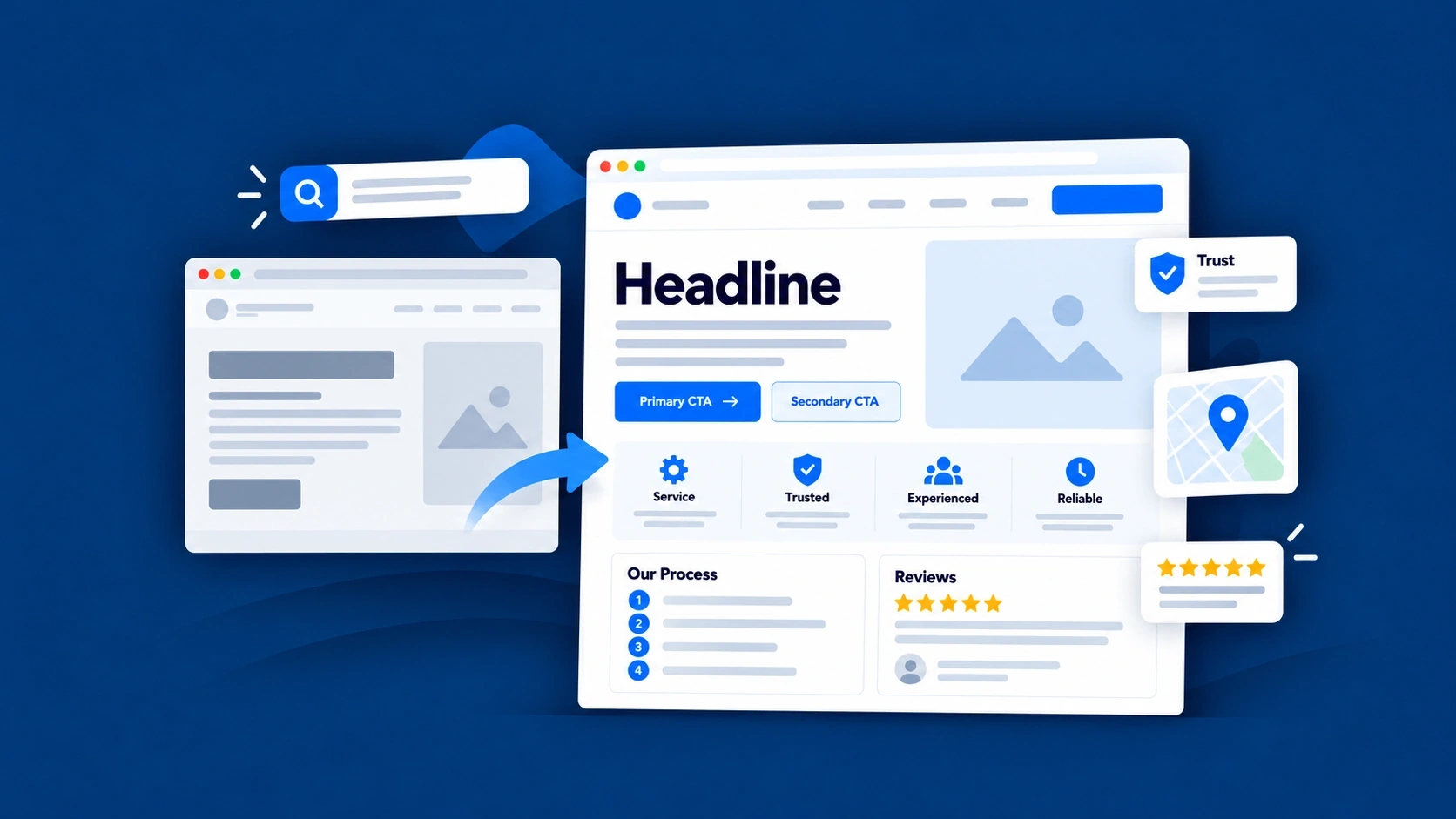
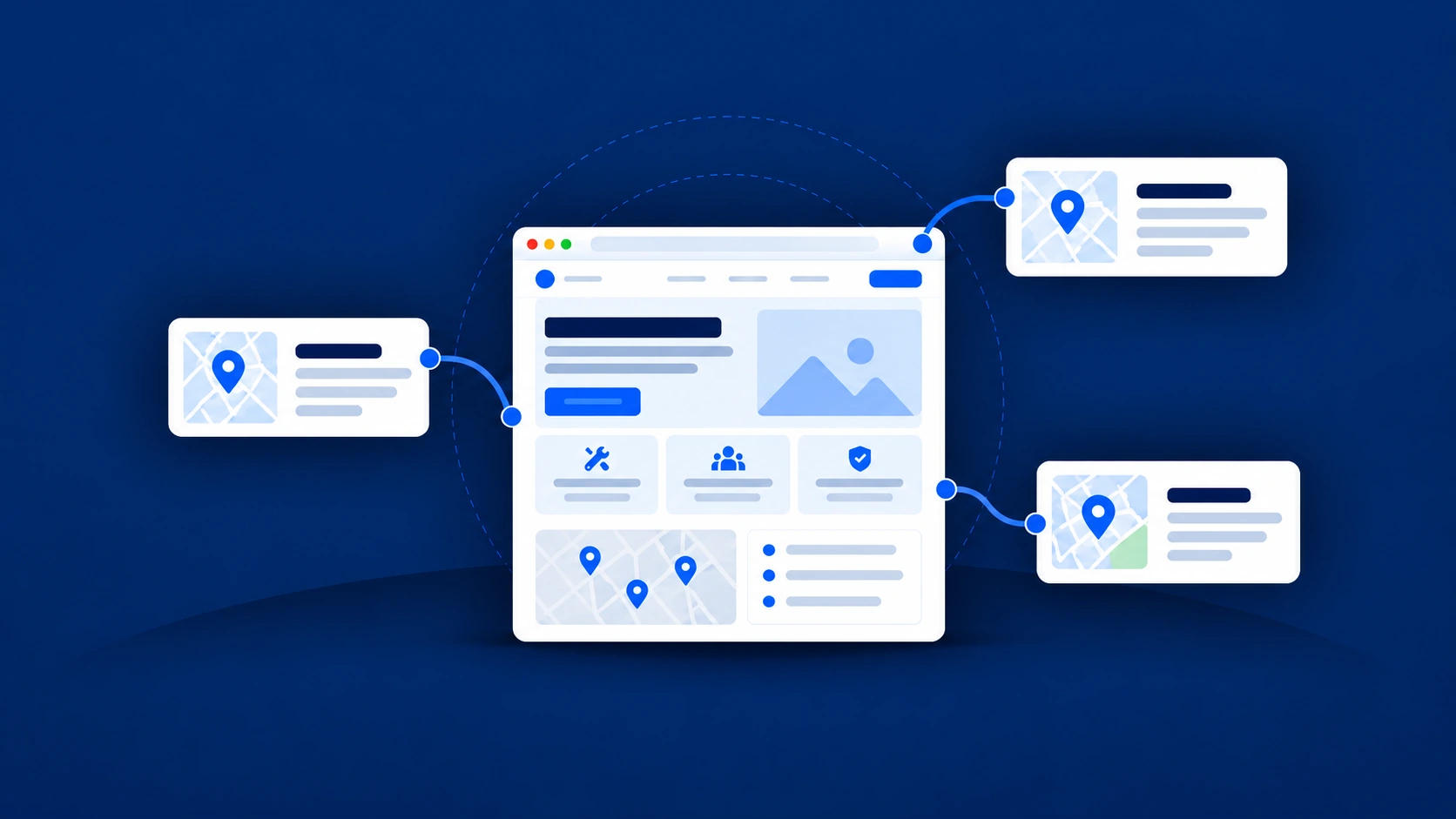
An illustrative legal website concept. The website and search results shown are fictional.
In this guide14 sections
- 01How clients search
- 02A practice-area website
- 03A better service page
- 04Attorney credibility
- 05Local visibility
- 06Reviewed legal content
- 07The consultation journey
- 08AI search
- 09Technical foundations
- 10Measure suitable enquiries
- 11Your 30-day plan
- 12Where Blue Kite SEO helps
- 13Frequently asked questions
- 14A useful next step
A potential client searches for a divorce lawyer in Denver. Another looks for an estate planning attorney in Seattle. A business owner in London wants to find a solicitor who handles commercial disputes.
Different legal needs, but the same underlying questions:
Does this firm handle my kind of matter? Can I trust the people behind it? And what happens if I get in touch?
Search engine optimization (SEO) helps the right people discover a law firm when they're looking for legal services or trying to understand a legal problem. But appearing in search results is only the beginning. Your website also has to make a credible case for why someone should contact you.
That takes more than repeating "best lawyers near me," producing articles by the dozen, or adding a consultation button to every page.
This guide shows how to build a useful SEO foundation for a small law firm, with a detailed example of how the pages, information, and enquiry process fit together.
The main examples use US terminology, but the principles apply to firms in Australia, the UK, Canada, and other markets.
Advertising requirements, licensing, and legal information must always be checked for the jurisdictions in which a firm operates.
Quick Overview: What Should a Small Law Firm Prioritize?
If you only work on a few things, start here:
- Choose the matters you actually want. SEO shouldn't attract every possible legal enquiry. It should support your firm's practice areas, capacity, locations, and ideal clients.
- Give important practice areas useful, distinct pages. A family-law page and a divorce-representation page should each have a clear purpose if you genuinely offer both.
- Show who will handle the work. Meaningful attorney profiles, verifiable qualifications, real experience, and a clear approach can help potential clients evaluate the firm.
- Get local information right. Review your office details, eligible Google Business Profile, categories, business hours, and relevant local references.
- Treat legal information as professional content. Check jurisdiction, current law, qualifiers, authorship, review, and advertising compliance. AI drafts don't replace a lawyer's review.
- Make the next step feel clear and safe. Explain consultations, fees or fee arrangements where appropriate, contact options, and what prospective clients should avoid submitting in a public form.
- Measure suitable enquiries, not just clicks. Track whether organic visitors progress to consultations and matters the firm can genuinely help with.
The goal is not more website pages. It is a clearer path from a relevant search to an informed, appropriate enquiry.
1. Start With How People Actually Look for Legal Help
Not everyone searches for "law firm." Some people already know which legal service they need. Others know only the situation they're dealing with.
Consider these examples:
| Search | Likely need | Most useful destination |
|---|---|---|
| "divorce attorney Denver" | Find a lawyer for a defined matter | Divorce representation page |
| "estate planning lawyer near me" | Find a nearby professional | Estate planning page and accurate local profile |
| "what happens at a first divorce consultation" | Understand the process before contacting a firm | Focused informational guide |
| "business contract dispute attorney" | Find a firm handling a business issue | Commercial disputes practice-area page |
| Firm or attorney name | Check a referral | Firm homepage, attorney bio, reviews, and contact details |
These are illustrative searches, not keyword-volume estimates or claims about what will rank.
A website that only describes the firm in broad terms can miss important distinctions between these needs. Yet creating a separate URL for every wording variation is not the answer either.
A better approach is to map searches to real services and helpful answers. Your major practice-area pages address people evaluating representation. Supporting articles answer narrower questions and guide relevant readers toward the appropriate practice-area page.
Referrals are part of this journey, too
Even when a prospective client finds you through a friend, another attorney, or a professional referral, the website can influence what happens next. They may look up your attorneys, confirm the practice area, read reviews, or check what the first meeting involves.
Clio's 2025 Legal Trends Report identifies referrals and online search as important ways people find lawyers, while highlighting the growing role of digital resources for future legal needs. Your website therefore needs to work for both new search visitors and people checking a recommendation.
Practical action: Write down your three most important matter types. For each, list what a prospective client may search, what they need to know, and the page that should answer them. If one service has no suitable page, that may be more urgent than another blog post.
2. Build Your Website Around Practice Areas, Not a Collection of Keywords
A small firm doesn't necessarily need a large website. It needs a structure that visitors can understand.
Here's an example for a fictional practice we're going to follow throughout this guide.
Worked example: A fictional Denver family-law firm
Imagine Example Family Law Firm, a fictional two-attorney practice serving eligible clients in the Denver area. For this example, the firm wants more suitable divorce and parenting-related matters, and those are services it genuinely provides.
Its website might look like this:
Homepage
Who the firm helps, where it practices, main services, why clients might consider it, and next steps
Family Law
Overview of the firm's relevant work and links to specific services
Divorce Representation
Focused information for someone considering or responding to divorce proceedings
Parenting and Custody Matters
Separate explanation for those specific client needs, using the applicable jurisdiction's terminology
Our Attorneys
The real people, their verified credentials, experience, and approach
Resources
Reviewed explanations of questions prospective clients commonly ask
Consultation / Contact
How to reach the firm, what to expect, and important intake precautions
The structure is not a prescription to publish every page on day one. A firm with a narrow practice may need only a few core pages. A larger firm may need subcategories. Make the architecture follow the services, not a keyword list.
Internal links help visitors move between those pages. For example, a guide titled What to Prepare Before Meeting a Family Lawyer could link to the divorce page and consultation information. The divorce page could link to the attorney who actually handles that work.
This creates a useful journey:
Search → relevant legal information → practice-area page → attorney credibility → consultation enquiry
A service-page framework can help, but legal pages need additional care around accuracy, claims, and scope. See our service-page writing guide for the general structure.
3. Improve the Practice-Area Page Before Publishing Another Article
For many firms, a weak practice-area page is a more important problem than a lack of blog content.
Consider this generic introduction:
Experienced Family Law Attorneys
Our dedicated legal team delivers personalized solutions and exceptional service. We fight for our clients and strive for the best possible outcomes.
It could appear on dozens of websites. It tells a reader little about the matters the firm handles, the process, or what contacting the firm involves. Phrases about outcomes also require careful professional review.
A more useful example
Here is illustrative copy for our fictional Denver firm, assuming every service and geographic statement is true:
Divorce Representation in Denver
Considering divorce or responding to a divorce filing? Our family-law attorneys help clients understand the process, discuss available options, and plan their next steps based on their circumstances.
We assist with the divorce matters described below and will explain whether your situation fits the firm's services during the enquiry process.
Request a Consultation | Call the Firm
This works better because the service, location, audience, and next step are clear. It doesn't promise an outcome, invent a specialty certification, or attempt to give case-specific legal advice in the headline.
The anatomy of a useful law-firm service page
| Section | What to include | What to avoid |
|---|---|---|
| Service headline | The actual legal service and useful geographic context | "Best lawyer in the state" or exaggerated claims |
| Who the page is for | Common circumstances the firm can genuinely assist with | Treating every legal issue as a fit |
| What the firm handles | Clear boundaries and examples of available services | Invented capabilities or jurisdictions |
| How representation begins | Enquiry, initial screening, consultation, and possible next steps | Implying an enquiry automatically creates a lawyer-client relationship |
| Attorney information | Named lawyers and links to their verified profiles | Anonymous claims about a "top team" |
| Fees and expectations | Fee approach or how fees will be discussed, if approved | Unsubstantiated price or outcome promises |
| FAQs | Practical questions about contacting and working with the firm | Unqualified legal advice or outdated rules |
| Call to action | A clear phone or consultation path with suitable privacy wording | Long forms asking for detailed confidential facts |
A complete page outline for "Divorce Representation"
For our fictional firm, a sensible page could follow this sequence:
H1: Divorce Representation in Denver and a short, relevant introduction.
Situations we assist with, limited to the firm's actual services.
How our representation process begins, including screening and consultation.
Meet the attorneys handling these matters, with links to bios.
What to expect when you contact us, including response expectations the firm can meet.
FAQs, such as whether consultations are available remotely or when fees are explained.
Request a consultation, with an appropriate notice about confidential information.
You don't need a rigid word count. A focused page that gives people what they need is better than a long page padded with repetitive phrases.
Practical action: Open your firm's most commercially important practice-area page on a phone. Within 15 seconds, can someone understand the service, location, person or team, and next step? If not, improve that page first.
4. Give Prospective Clients a Reason to Trust the People Behind the Firm
Legal services aren't an impulse purchase. People may be dealing with an expensive, emotional, urgent, or complex situation. They're evaluating professional judgment as well as availability.
Clio's Legal Trends research emphasizes reputation, relevant experience, reviews, and clear communication among the considerations people bring to choosing legal help.
A generic "Meet Our Team" page is rarely enough to explain those things.
What a useful attorney profile should show
- The attorney's name and actual professional role.
- Admission or licensing information, where relevant and verified.
- Practice areas and jurisdictions in which they are authorized to work.
- Relevant experience and background, described accurately.
- Languages, accessibility information, and consultation arrangements when useful and true.
- Genuine professional activity, publications, or speaking experience if relevant.
- A clear link to the services they handle and how someone can enquire.
The goal is not to stuff every biography with keywords. It's to answer the question: Who would I be speaking with, and what makes them relevant to my matter?
A better profile introduction
Weak: "Jane is a passionate attorney who always gets the best results."
Better (illustrative): "Jane works with individuals navigating divorce and parenting-related family-law matters. Her profile explains the work she handles, her verified admission details, and how clients can request an initial consultation."
Use real, verifiable information in published biographies. Never invent years of experience, case outcomes, awards, testimonials, board certifications, or professional memberships.
Reviews and testimonials need special care
Genuine client feedback may help prospective clients understand the experience of working with a firm. But legal reviews can raise confidentiality, consent, and professional-advertising issues.
Ask for reviews only where permitted and in an appropriate manner. Don't purchase reviews, offer prohibited incentives, selectively solicit only positive feedback, or reveal client information when responding publicly. Check the law and applicable professional rules before using client endorsements or case results in marketing.
The ABA's Model Rule 7.1 prohibits false or misleading communications about a lawyer's services. It is a model rule, not a universal law: the controlling professional-conduct rules depend on the jurisdiction where the lawyers practice.
A truthful description of who the attorneys are will usually be more useful than a page filled with unsupported superlatives.
5. Get Local SEO Right Without Inventing Offices or Locations
For many law firms, local visibility matters. Someone looking for representation often wants a firm that serves their location and can handle their matter in the relevant jurisdiction.
Google says its local results are mainly determined by relevance, distance, and popularity (often called prominence). Complete, accurate business information can help Google and prospective clients understand the firm. See Google's explanation of local ranking.
A law firm's local SEO checklist
- Verify the firm's eligible Google Business Profile and the real office details.
- Select accurate business categories; avoid keyword stuffing the business name.
- Keep business hours, phone numbers, website address, and office information current.
- Use genuine photographs of the office and team where appropriate.
- Keep office and contact details consistent with the firm's website and important professional listings.
- Link the Business Profile to a relevant, functioning page.
- Make the website clear about the jurisdictions and regions in which the firm actually practices.
Law firms have an additional nuance: Google allows eligible individual practitioners, including lawyers, to have profiles in certain circumstances. That does not mean every attorney, specialty, or keyword deserves a separate listing. Google has specific guidance for multi-practitioner locations and for solo practitioners who share a branded practice. See its Business Profile guidelines.
Should you create pages for nearby cities?
Not automatically.
If our fictional Denver firm serves clients from several neighboring cities, it can explain that genuinely on its website. A separate page is justified only when it gives people meaningful, distinct information and reflects the firm's actual service and jurisdictional reach.
A dozen pages that change only the city name can make the site less useful. Avoid invented offices, virtual-office listings that aren't eligible, and pages implying that an attorney is admitted where they aren't.
Our guide to targeting multiple cities without duplicate location pages explains that decision in more detail.
For cross-border or remote practices, be especially careful: serving clients online does not automatically mean a lawyer is authorized to advise in every location.
6. Publish Legal Content That Answers Questions, Then Keep It Accurate
A useful legal content program is not a race to publish the most articles. It's a way to answer questions your future clients genuinely ask while making your firm's services easier to understand.
For our fictional family-law firm, the content map might look like this:
| Content | Main purpose | Helpful next link |
|---|---|---|
| Divorce Representation in Denver | Explain the firm's legal service | Consultation page and attorney bio |
| What to Prepare Before Your First Family-Law Consultation | Help someone feel ready to contact the firm | Consultation information |
| Questions to Ask When Choosing a Divorce Attorney | Help a reader evaluate legal representation | Attorney profiles and divorce page |
| What Does a Family Lawyer Do? | Explain the role in general terms | Family Law overview |
| Our Family-Law Attorneys | Verify who provides the service | Relevant practice-area pages |
The supporting articles don't need to repeat the service page. They have a narrower informational job, while the practice-area page explains representation.
Legal accuracy is not optional
A legal article that sounds authoritative can still be wrong, incomplete, or misleading. The same topic may be treated differently across jurisdictions, and the law can change.
Before publication, the firm should verify:
- Jurisdiction: Which country's, state's, or other applicable legal rules does the material concern?
- Currency: Are the statutes, rules, procedures, dates, and references current?
- Qualifications: Are exceptions, limitations, or factual dependencies missing?
- Reviewer: Has an appropriately qualified legal professional reviewed the legal claims?
- Advertising: Does the wording comply with the firm's applicable marketing and professional-conduct rules?
- Maintenance: Who will revisit the page when law or practice changes?
An author bio or "reviewed by" date can help readers understand accountability when it truthfully reflects real work. Don't invent attorney review or change the date without a genuine review.
Google's people-first content guidance places particular importance on trust for material that can substantially affect people's lives. Legal information warrants corresponding editorial care.
A lightweight content review system
For each substantive legal guide, keep an internal record of the topic, jurisdiction, responsible attorney, date reviewed, source references, and a trigger for rechecking it. A tax threshold, procedural deadline, or statutory change may require an earlier review than a general article on preparing for a first consultation.
This doesn't require a complicated publishing calendar. It requires ownership.
What about using AI to draft legal SEO content?
AI can help organize questions, identify unclear writing, develop outlines, and prepare a first draft from verified inputs. It cannot independently guarantee that legislation is current or that advice is appropriate to a particular matter.
Do not submit confidential client files, identifying matter details, or privileged communications to a public AI tool without appropriate authorization, security controls, and professional assessment. Have a suitably qualified lawyer review legal content before publication. AI assistance and ordinary SEO checks are not legal sign-off.
Practical action: Before commissioning five new articles, inventory the pages you already have. Mark each one as keep, improve, consolidate, update, or remove. That is often more valuable than adding five overlapping answers to the same legal question.
7. Design the Consultation Journey, Not Just the Contact Button
A search visitor may be ready to call. Another may need to know what will happen after they submit a form. For legal services, uncertainty can stop someone from taking the next step.
A useful enquiry experience explains the process without making promises the firm can't keep.
The journey for our fictional firm
Someone finds the Divorce Representation page through search or a referral.
They see which matters the firm handles, the relevant jurisdiction, and the attorneys.
They read What to Expect at an Initial Consultation.
They select Request a Consultation or call the office.
The firm carries out its appropriate initial screening, including conflicts processes, then confirms whether and how a consultation can proceed.
That fifth step matters. An enquiry is not automatically an accepted matter. The website should not imply otherwise.
An example consultation section
Talk With Our Family-Law Team
If you're looking for legal help with a matter our firm handles, contact us to request an initial consultation.
Our team will ask for the basic information needed to assess whether we may be able to assist and explain the next step. We will also tell you how consultation arrangements and fees work before you book, where applicable.
Request a Consultation | Call the Office
Please don't include confidential or detailed legal information in this initial form. Contacting us does not by itself mean the firm has agreed to represent you. The firm will explain the applicable process and terms.
This is example marketing copy, not a universal legal disclaimer. A firm should have its own counsel or responsible lawyer adapt the intake text to local rules, the actual screening process, privacy obligations, and the technology it uses.
The ABA's Model Rule 1.18 and commentary explain why communications from prospective clients can create professional duties even where no representation follows. Appropriate intake warnings, data handling, and conflicts procedures need more care than a standard sales lead form.
Make the initial form shorter and safer
A basic first-contact form may need only:
- Name and a safe way to reply.
- General matter category.
- Broad location or jurisdiction.
- A brief, non-confidential description only if needed and appropriately requested.
The firm can collect more detail through an appropriate secure process after initial screening. Don't ask for extensive sensitive documents through an ordinary marketing form by default.
Also make sure the form works on mobile, confirms receipt appropriately, provides an alternative phone route, and doesn't claim instant availability unless the firm can actually provide it.
What to explain about consultations
Potential clients often want to know whether a meeting is virtual or in person, whether there is a consultation charge, who they will speak with, and when they'll hear back. Answer these questions according to the firm's actual policies, rather than assuming every firm offers a free consultation.
If the website attracts visitors but few suitable enquiries, check the process before buying more traffic. Our guide to website traffic but no leads explores broader conversion issues.
8. Understand AI Search Without Chasing "Guaranteed Recommendations"
People increasingly ask AI-powered systems to explain legal topics or help them compare services. That creates another reason for law firms to publish clear, trustworthy information, but it does not create a shortcut to a guaranteed recommendation.
Google says its generative search experiences build on its core search systems and recommends established SEO fundamentals: useful, distinctive content, a clear site structure, crawlable pages, and accurate business information.
It explicitly advises against unnecessary "AEO/GEO hacks," including content formatting tricks and AI-specific text files marketed as ranking solutions. See Google's AI search optimization guide.
For a law firm, the practical steps are familiar:
- Publish pages that accurately explain actual services and locations.
- Show who is responsible for the content and legal work.
- Maintain reviewed, jurisdiction-appropriate legal explanations.
- Ensure important pages can be discovered through navigation and internal links.
- Check indexing, canonicals, mobile usability, and blocked pages.
- Use appropriate structured data only when it matches visible, genuine information. Schema does not guarantee AI recommendations or special results.
Do not judge performance by asking ChatGPT or Claude for a recommendation once and treating the answer as a ranking. Sources, prompts, location context, and answers can vary.
In Google Search Console, generative AI performance reports provide additional visibility information for Google's AI features. They don't represent a complete measurement of recommendations across ChatGPT, Claude, and every other platform.
9. Check the Technical Basics Before Adding Complexity
Technical SEO matters when errors stop search systems or people from reaching the pages that matter. A small firm should begin with practical checks, not assume it needs an exhaustive technical audit.
| Check | Why it matters | What to do |
|---|---|---|
| Indexing | A key page cannot appear in ordinary Google results if it isn't indexed | Inspect priority URLs in Search Console |
| Navigation and internal links | Visitors need to find services and attorneys easily | Link practice-area pages, lawyer profiles, and contact paths |
| Mobile experience | Many visitors arrive using a phone | Test navigation, tap targets, calls, and forms |
| Titles and headings | People and search systems need clear page topics | Use distinct, descriptive titles and H1s |
| Canonical URLs and redirects | Duplicate versions or old paths can confuse navigation and indexing | Ensure preferred URLs are consistent and redirects work |
| Page speed and accessibility | Slow, difficult pages can undermine the experience | Compress images; use legible text, labeled fields, and functional controls |
| Structured data | Accurate markup can help explain genuine business information | Validate supported organization or local-business data; avoid invented ratings |
Google's SEO Starter Guide covers these foundations without presenting them as secret ranking tricks.
For law firms with several lawyers and practice areas, one particularly useful check is whether every important page is reachable within the site's ordinary navigation and contextual links. A page that exists only in a sitemap may be harder for prospective clients to discover.
10. Measure Qualified Consultations, Not Just Search Traffic
Search Console can show which pages receive impressions and clicks. Website analytics can describe visits and configured interactions. Neither automatically tells you whether the firm accepted a new matter.
For a small law firm, the measurement chain could look like this:
Relevant search visibility → organic visits → confirmed enquiries → suitable consultation requests → accepted matters
These measures answer different questions.
| Measure | What it means | Important limitation |
|---|---|---|
| Search impressions | The page appeared in an eligible search result | An impression isn't a visit |
| Organic clicks | Someone clicked a Google result | Not every visitor is a prospective client |
| Phone-link clicks | Someone tapped or clicked a call link | Doesn't confirm a completed phone call |
| Submitted enquiries | An actual form or other request was received | Some may be spam or unsuitable |
| Qualified consultations | The firm's screening identifies potentially relevant matters | Screening criteria vary by practice |
| Accepted matters | A client relationship or matter was actually opened | Requires firm records and attribution care |
Illustrative example, not an industry benchmark: Suppose a practice-area page receives 70 organic clicks in a month, contributes to eight confirmed contact requests, and four of those are suitable for a consultation. Those figures suggest a path worth examining, but they don't prove that SEO alone caused the enquiries.
Referrals, direct visits, advertising, and offline contact may also contribute.
Review trends over time, ideally by practice area. A family-law firm attracting a large number of unrelated traffic-law enquiries may have a relevance problem rather than a traffic problem.
A firm should also keep sensitive matter details out of routine marketing analytics. Use appropriately configured systems and limit who can access intake data.
11. A 30-Day SEO Action Plan for a Small Law Firm
You can make meaningful improvements without trying to rebuild the entire website in one month.
1: Review
- Focus
- Confirm priority matters, jurisdictions, current pages, local details, and intake experience
- Deliverable
- A ranked list of real website gaps
2: Improve
- Focus
- Rewrite or strengthen one core practice-area page and connect it to an attorney profile
- Deliverable
- One complete, reviewed service page
3: Build trust
- Focus
- Improve attorney bios, confirm eligible business listings, check consultation wording and mobile forms
- Deliverable
- Credibility and enquiry improvements
4: Connect and measure
- Focus
- Review existing articles, improve internal links, inspect Search Console, define qualified-enquiry reporting
- Deliverable
- A practical next-month SEO plan
Which work should come first?
Use a simple priority test:
- Business relevance: Does this help the kind of legal work the firm actually wants and can accept?
- Reader need: Does it answer a real prospective-client question or remove uncertainty?
- Evidence: Is something important genuinely missing, inaccurate, hard to find, or underperforming?
- Risk: Does the task require attorney review, legal research, data protection, or development support?
- Effort: Can the improvement be finished properly with available time and resources?
For our fictional Denver firm, the first priority might be strengthening a vague divorce service page. For another firm with strong practice pages but poor intake, it could be fixing the consultation process. There is no universal article count or page template that replaces judgment.
12. Where Blue Kite SEO Can Help
You can do much of this work with an organized process, AI assistance for research and drafting, and the appropriate professional review. The challenge is often deciding what should happen next, keeping the plan consistent, and having time to complete the work.
Blue Kite SEO is designed for small service businesses that want strategy-led ongoing SEO website work without starting from a fixed quota of AI-written articles.
The workflow begins with your Business Profile, including services, locations, customers, and priorities.
Blue Kite SEO then performs a Website Review using the information and evidence available to it, prepares an SEO Strategy for you to consider, and turns that direction into a Monthly Plan.
It can then prepare supported new or improved pages and articles for review, with connected WordPress publishing options where supported.
For websites that cannot be updated directly, it can provide prepared content and relevant instructions.
For a law firm, the Strategy might prioritize an existing practice-area page, a missing service explanation, clearer attorney connections, or supporting content around the questions prospective clients ask. It does not need to start with another batch of articles.
The firm remains responsible for legal accuracy, professional advertising compliance, confidentiality, and final approval. Blue Kite SEO does not replace qualified legal review, offer a comprehensive legal compliance audit, or guarantee search rankings or new clients.
Learn more about how Blue Kite SEO works, or review plans and pricing.
Frequently Asked Questions About SEO for Law Firms
Does SEO work for small law firms?
It can help suitable prospective clients discover your services and evaluate your firm, but results depend on the market, your services, competition, website, and execution. Focus first on clear practice-area pages, genuine credentials, accurate local information, and effective intake rather than promises of ranking first.
Should every practice area have a separate page?
Important, distinct services often deserve their own pages when you can explain them usefully and accurately. Closely related subjects don't necessarily need separate URLs. Organize pages around genuine services and reader needs, not every keyword variation.
What is the difference between a practice-area page and a legal blog article?
A practice-area page explains the legal service the firm provides and helps someone evaluate representation. A supporting article answers a narrower informational question and can link to the relevant service. Keeping those jobs distinct reduces unnecessary overlap.
Do law firms need a Google Business Profile?
An eligible local firm should generally consider maintaining an accurate profile. Follow Google's location and practitioner eligibility rules; do not create fake offices or listings for every specialty. Online-only arrangements may not qualify, depending on the circumstances.
Can AI write SEO content for a law firm?
AI can assist with outlining, organizing, and drafting, but an appropriately qualified lawyer should verify legal facts, jurisdiction, current law, and advertising claims before publication. Do not casually upload confidential matter information into AI tools.
How do law firms appear in Google AI Overviews or AI-powered search?
There is no guaranteed method. Google recommends established SEO practices, helpful original information, appropriate indexing, and accurate business details. A page that qualifies for Google Search may be eligible to appear as a supporting link in AI experiences, but inclusion is not assured.
Should we create a page for every city where our attorneys can work?
No. Explain genuine geographic and jurisdictional coverage first. Create individual location pages only when they provide distinct, accurate, useful information. An ability to work remotely doesn't establish a physical office or license to practice everywhere.
How can we tell whether SEO is attracting the right clients?
Connect Search Console and analytics observations to verified enquiries, appropriate screening, consultations, and accepted matters where attribution is available. Don't count clicks on a phone number as confirmed calls or treat every website enquiry as a client.
Final Takeaway: Make It Easier to Find the Right Lawyer for the Right Matter
The best law-firm SEO work starts with the firm and the people it can genuinely help.
Know which matters you want. Explain them through useful practice-area pages. Show the real attorneys and their verified experience. Keep legal information accurate for the relevant jurisdiction. Make it easy for prospective clients to understand the consultation process without exposing sensitive details.
Then use search data and qualified-enquiry feedback to decide what needs improving next.
A stronger website isn't the one with the most articles. It's the one that helps the right person understand the right service, trust the right professionals, and take an appropriate next step.